Cedar Gazebo vs Aluminum Pergola Price Comparison Canada Guide
Cedar Gazebo vs Aluminum Pergola Price Comparison Canada: A Comprehensive Planning Guide
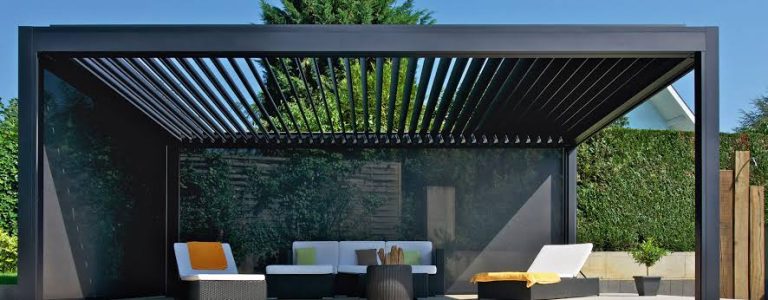
Adding a dedicated shade structure to an outdoor living space is a major property upgrade for Canadian homeowners. Two of the most popular permanent outdoor structures are traditional Western Red Cedar gazebos and modern powder-coated aluminum pergolas. While both enhance backyard functionality and aesthetic appeal, they represent fundamentally different architectural styles, roof designs, weather protection capabilities, and long-term financial profiles. A Cedar gazebo features a solid, permanently enclosed roof that offers complete protection from rain, snow, and sun. Conversely, an aluminum pergola traditionally utilizes open-slat rafters or adjustable louvers that offer variable shade, airflow, and a sleek, contemporary profile.
Evaluating a Cedar gazebo vs aluminum pergola price comparison Canada requires looking past initial kit prices or material quotes to analyze full turnkey expenditures. In Canada’s varied climate—where structures must endure freeze-thaw cycles, heavy winter snow loads, and high summer humidity—project planning involves evaluating deep frost-line post footings, municipal building permits, specialized assembly labor, and long-term maintenance costs. This comprehensive guide provides an objective, data-driven analysis of initial purchase costs, professional installation fees, lifecycle maintenance overhead, and total cost of ownership across Canadian regional markets.
Overview of Cedar Gazebo vs Aluminum Pergola Price Comparison Canada
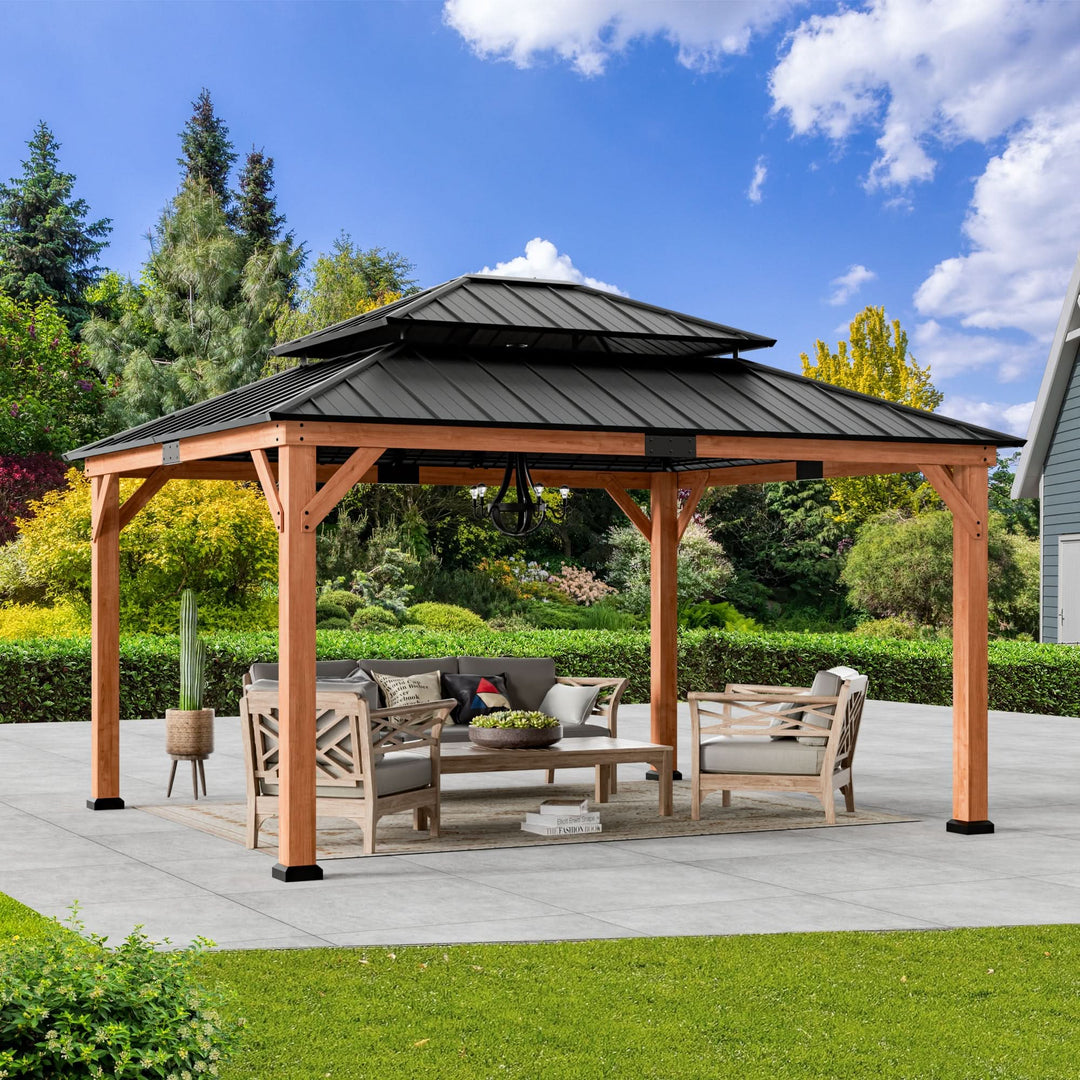
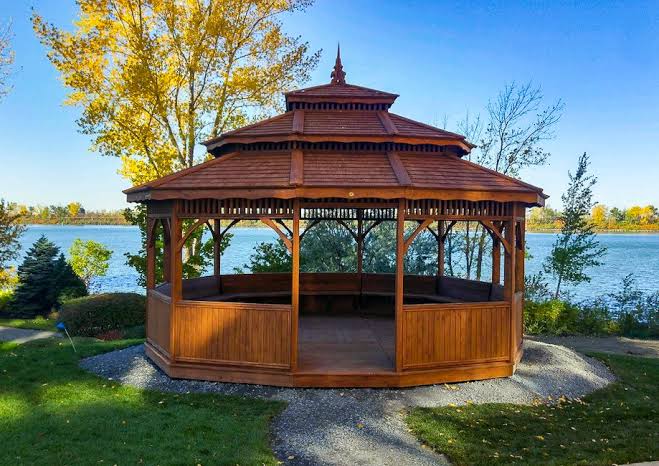
Analyzing a Cedar gazebo vs aluminum pergola price comparison Canada decision involves comparing raw material costs alongside installation, site preparation, and ongoing maintenance. Western Red Cedar is a premium Canadian timber known for its natural resistance to decay, rot, and insect damage. DIY cedar gazebo kits (typically 10×10 ft to 12×14 ft) range from $2,500 to $6,000 CAD for materials alone, while custom stick-built cedar gazebos with asphalt or metal roofs range from $8,000 to $18,000+ CAD fully installed.
Upfront Turnkey Installed Cost Range (10x10 ft to 12x14 ft Footprint, CAD)
├── DIY Cedar Gazebo Kit (Self-Assembled): $2,500 – $6,000 CAD
├── Custom Installed Cedar Gazebo: $8,000 – $18,000+ CAD
├── Basic Aluminum Lattice Pergola: $5,000 – $12,000 CAD
└── Motorized Louvered Aluminum Pergola: $12,000 – $28,000+ CAD

Total 15-Year Cost of Ownership (Upfront Cost + Maintenance)
├── Cedar Structures: Higher Initial Build + $300 - $600 / Year Maintenance
└── Aluminum Structures: Higher Initial Build + $0 - $50 / Year Maintenance
Powder-coated aluminum structures offer a low-maintenance, rust-proof alternative that resists Canadian winter conditions. Basic fixed-slat aluminum pergolas cost between $3,500 and $8,000 CAD for DIY kits, with professionally installed custom units averaging $8,000 to $15,000 CAD. High-end motorized louvered aluminum pergolas—which feature rotating double-walled blades that seal out rain—cost between $12,000 and $28,000+ CAD installed.
While cedar structures offer a lower initial entry price for basic builds, they accumulate recurring maintenance costs. Cedar requires chemical cleaning, sanding, and staining or sealing every 2 to 3 years to prevent UV graying and surface splitting, costing $300 to $600 CAD per cycle. Powder-coated aluminum structures require only occasional washing with soap and water, balancing total ownership costs over a 10-to-15-year period.
Architectural Categories and System Variations
Selecting between cedar and aluminum structures requires evaluating roof opacity, framing strength, operational mechanics, and structural footprint.
| Category / Type | Description | Common Use Case | Estimated Cost Range (CAD inc. Install) |
| Pre-Cut Cedar Gazebo Kit | Manufactured Western Red Cedar frame with pre-cut rafters and metal or cedar shingle roof panels. | DIY-friendly backyard upgrades on existing level patios or decks. | $3,500 – $8,000 total ($25–$50/sq ft) |
| Custom Timber-Frame Cedar Gazebo | Heavy-timber Western Red Cedar posts and trusses with an architectural asphalt or standing-seam metal roof. | High-end traditional landscapes, hot tub enclosures, or four-season outdoor rooms. | $10,000 – $22,000+ total ($70–$130/sq ft) |
| Fixed-Slat Aluminum Pergola | Powder-coated extruded aluminum frame with static overhead shade slats. | Modern decks, sun-shading over dining areas, minimal maintenance goals. | $6,000 – $14,000 total ($50–$90/sq ft) |
| Manual Louvered Aluminum Pergola | Extruded aluminum structure with hand-cranked rotating blades that open for sun or close for rain. | Variable weather control, urban patios, and contemporary architectural homes. | $9,000 – $18,000 total ($75–$120/sq ft) |
| Motorized Louvered Aluminum System | 24V linear-actuator driven dual-walled louvres with rain sensors, LED lighting, and app control. | Premium outdoor living spaces, integrated outdoor kitchens, and extreme weather zones. | $15,000 – $32,000+ total ($120–$200+/sq ft) |
Choosing Between Options
Deciding among these structural categories depends on architectural preference, maintenance willingness, and roof requirements. Homeowners seeking a traditional, rustic aesthetic, natural wood scent, and guaranteed 100% full-time rain or snow shelter often favor cedar gazebos. Conversely, property owners preferring sleek architectural lines, low maintenance, and variable overhead sunlight typically choose aluminum pergolas. If complete rain protection is required in an aluminum structure, a motorized louvered roof system provides an alternative to a solid wooden gazebo roof.
Practical Real-World Installation Scenarios
Scenario 1: Suburban Deck-Mounted Cedar Gazebo in Calgary, Alberta (12×14 ft)
A homeowner installs a pre-cut 12×14 ft Western Red Cedar gazebo kit with an aluminum hip roof over a newly constructed rear deck.
-
Key Construction Steps & Components:
-
Reinforcing underlying deck framing with double joists and post support blocking directly beneath post locations.
-
Assembling the pre-stained cedar post frame, rafter trusses, and roof panels using structural wood screws.
-
Anchoring 6×6 cedar posts to the deck structure using heavy-gauge powder-coated steel post bases.
-
Installing insect mesh screening along the interior roof peak and perimeter eaves.
-
-
Relevance: Represents a common Western Canadian kit installation. Mounting the structure directly onto an engineered deck lowers ground excavation fees, keeping total installed costs around $5,500 to $7,500 CAD.
Scenario 2: Freestanding Motorized Aluminum Pergola in the GTA, Ontario (12×16 ft)
A property owner builds a 12×16 ft motorized louvered aluminum pergola over a new paver patio in an open backyard setting.
-
Key Construction Steps & Components:
-
Excavating four 4-foot deep post footings below the local Ontario frost line and pouring concrete sonotubes.
-
Anchoring structural extruded aluminum posts into cured concrete footings using stainless steel wedge anchors.
-
Assembling the perimeter beam framework, internal gutter channels, and 24V motorized double-walled louvers.
-
Wiring a 120V electrical line from the house to power the motor, integrated LED strip lights, and an automatic rain sensor.
-
-
Relevance: Demonstrates a modern, tech-enabled outdoor living setup. Deep concrete footings prevent winter frost heave, while automated louvers close at the first drop of rain. Total installed cost: $18,000 to $24,000 CAD.
Scenario 3: Custom Timber-Frame Cedar Pavilion in Montreal, Quebec (14×20 ft)
A 14×20 ft custom-designed heavy timber Western Red Cedar pavilion built adjacent to an outdoor kitchen.
-
Key Construction Steps & Components:
-
Pouring a continuous reinforced concrete pad with edge-thickening to support heavy timber loads.
-
Erecting 8×8 Western Red Cedar timber posts with traditional mortise and tenon joinery secured with oak pegs.
-
Framing an 8/12 pitch roof covered with 29-gauge standing-seam steel roof panels engineered for 3.5 kPa snow loads.
-
Applying two coats of commercial-grade penetrating oil stain prior to assembly.
-
-
Relevance: Highlights a custom, high-end installation engineered for heavy winter snowfall. The solid steel roof and timber frame provide a long-lasting outdoor living structure. Total installed cost: $22,000 to $32,000 CAD.
Comparative Scenario Analysis
Scenario 1 minimizes labor expenses by leveraging pre-cut kit manufacturing over an existing deck. Scenario 2 trades traditional wood aesthetics for low-maintenance automation, requiring deep footings and electrical line runs. Scenario 3 requires higher capital investment for custom timber engineering and concrete work, but provides high structural snow capacity and classic visual appeal.
Planning, Capital Budgeting, and Lifecycle Cost Comparison

Evaluating a Cedar gazebo vs aluminum pergola price comparison Canada project requires separating initial capital costs from 15-year cumulative maintenance requirements. The budget model below details expected costs for a standard 12×12 ft footprint.
| Budget Category | Cedar Gazebo Kit (12×12 ft) | Custom Cedar Gazebo (12×12 ft) | Motorized Aluminum Pergola (12×12 ft) | Cost Drivers & Explanation |
| Structure & Roof Package | $3,500 – $5,500 | $7,000 – $12,000 | $10,000 – $18,000 | Pre-cut kit vs custom timber vs motorized extrusions. |
| Site Prep & Frost Footings | $800 – $2,000 | $1,500 – $3,000 | $1,200 – $2,500 | Deck brackets vs deep sonotubes below frost line. |
| Assembly & Trade Labor | $1,200 – $2,500 | $3,000 – $6,000 | $2,000 – $4,500 | DIY/carpenter hours vs specialized installer fees. |
| Electrical, Sensor & Lighting | $300 – $800 | $800 – $2,000 | $1,500 – $3,500 | Basic lighting vs hardwired motors & rain sensors. |
| Permits & Structural Stamp | $300 – $800 | $500 – $1,200 | $400 – $1,000 | Municipal building permits & engineering fees. |
| Gross Installed Project Cost | $6,100 – $11,600 | $12,800 – $24,200 | $15,100 – $29,500 | Initial capital required for complete build. |
| 15-Year Maintenance Outlay | $2,500 – $4,500 | $3,000 – $5,500 | $200 – $600 | Staining/sanding cycles vs simple water washing. |
| Total 15-Year Ownership Cost | $8,600 – $16,100 | $15,800 – $29,700 | $15,300 – $30,100 | Long-term cost parity threshold. |
Note: Figures listed represent Canadian market baseline estimates in CAD. Actual costs fluctuate based on regional labor rates, soil conditions, wind zones, and local building code standards.
Technical Strategies, Foundation Engineering, and Support Frameworks
Ensuring a structural frame remains level and intact through Canadian freeze-thaw cycles requires selecting footings based on local soil conditions and building codes.
Canadian Foundation Options for Outdoor Structures
├── Concrete Sonotubes
│   ├── Requirement: Poured below regional frost depth (4 ft to 6 ft / 1.2m to 1.8m)
│   └── Best For: Heavy timber cedar gazebos and permanent heavy loads
├── Engineered Helical Metal Screw Piles
│   ├── Requirement: Driven mechanically below frost line with top adapter bracket
│   └── Best For: Rapid installation, minimal lawn disruption, immediate loading
└── Reinforced Concrete Slab / Deck Post Anchors
    ├── Requirement: Structural surface capable of handling wind-uplift shear loads
    └── Best For: Lightweight aluminum pergolas mounted over engineered patios
-
Western Red Cedar Grade Classifications: Structural cedar is categorized into clear grades (Architect Clear, Custom Clear) and knotty grades (Select Knotty). Select Knotty cedar provides natural character and structural strength at a lower cost, whereas clear grades command premium pricing for furniture-grade appearance.
-
Powder-Coating Specification Standards (AAMA 2604/2605): Quality aluminum pergolas use architectural-grade powder coatings that resist UV fading, chalking, and salt-spray corrosion.
-
Integrated Gutter Drainage Channels: Motorized louvered aluminum pergolas utilize dual-wall interlinking louvers that direct water into hidden internal beam gutters, discharging rainwater through post bases to keep underlying patios dry.
Canadian Building Codes, Structural Risks, and Common Errors
Installing outdoor structures in Canadian climate zones involves managing wind uplift, snow accumulation, and municipal building codes.
-
Anchoring Structures Above the Frost Line: Anchoring post bases into shallow 12-inch concrete pads allows winter ground frost to heave posts upward unevenly. This can distort timber frames, crack cedar joints, or jam aluminum louver drive tracks.
-
Ignoring Snow Load Engineering: Installing light-duty imported metal pergolas or flat plastic roofs not rated for local ground snow loads ($S_g$) can result in structural buckling under wet winter snow.
-
Bypassing Municipal Setbacks and Permits: Building a permanent gazebo or attached pergola without verifying zoning setbacks (distance from property lines) or securing building permits can lead to stop-work orders, fines, or removal mandates.
-
Failing to Seal Cut Cedar End-Grain: Assembling a cedar structure without sealing field-cut timber ends allows moisture to wick into the wood grain, causing internal rot and splitting.
-
Over-Tightening Aluminum Thermal Expansion Joints: Aluminum expands and contracts with ambient temperature shifts. Rigidly pinning long aluminum beams without thermal allowance can cause framing distortion or squeaking during temperature changes.
Seasonal Maintenance and Long-Term Asset Preservation
Maintaining visual appeal, structural stability, and smooth mechanical operation requires simple, regular care adapted to the material.
Ongoing Preventative Maintenance Checklist
-
Cedar Gazebo Care:
-
Wash timber surfaces every spring using a low-pressure hose, mild detergent, and a soft brush to remove dirt and mold.
-
Inspect timber joints annually for checking, splitting, or loose hardware; tighten lag screws as wood shrinks.
-
Re-apply a penetrating exterior oil or latex stain every 2 to 3 years when water no longer beads on the surface.
-
-
Aluminum Pergola Care:
-
Clean powder-coated aluminum posts, beams, and louvers twice yearly using warm water, non-abrasive soap, and a microfiber cloth.
-
Clear leaves, twigs, and pine needles from internal gutter channels and post drain outlets every autumn.
-
Spray dry silicone lubricant onto louver pivot pins, stainless steel drive linkages, and motor tracks annually.
-
-
Winter Readiness (All Structures):
-
Leave motorized louvered blades partially open (at 45 degrees) during severe freezing rain or heavy snowfall warnings if the unit lacks an automated heated-blade sensor.
-
Documentation, Warranties, and Home Valuation Tracking
Organizing structural permits, receipts, and warranty files simplifies claims, satisfies municipal inspectors, and documents property value during real estate transactions.
Essential Project Records
-
Municipal Permits & Engineering Certificates: Building permit sign-offs, site plans, and stamped engineering drawings proving local code compliance.
-
Itemized Material & Construction Invoices: Detailed receipts specifying lumber species (Western Red Cedar) or aluminum powder-coat specifications.
-
Manufacturer Warranty Documentation: Paperwork covering cedar wood against rot/decay (typically 1 to 5 years limited) or aluminum frames/motors (typically 10 to 20 years on aluminum, 5 years on electronics).
Real Estate Appraisal Impact
Canadian real estate appraisers evaluate permanent cedar gazebos and aluminum pergolas as functional outdoor living upgrades. While raw cost recovery varies, high-quality structures built with frost-compliant footings and architectural finishes enhance home curb appeal and buyer interest during resales.
Closing Summary
Evaluating a Cedar gazebo vs aluminum pergola price comparison Canada decision requires balancing upfront construction costs against long-term maintenance preferences. While Western Red Cedar gazebos ($6,100 to $24,200 installed) provide natural wood warmth and solid roof protection at a lower initial cost for basic builds, they incur recurring staining expenses over time. Powder-coated aluminum pergolas ($15,100 to $29,500 installed for motorized louvered units) require higher initial capital, but offer low maintenance, rust resistance, and variable sunlight control. By accounting for frost depth footings, snow loads, building permits, and lifecycle care, Canadian homeowners can select a shade structure that aligns with their outdoor living goals and financial plan.
Frequently Asked Questions
Which is cheaper in Canada: a cedar gazebo or an aluminum pergola?
For basic structures, a cedar gazebo kit ($3,500 to $8,000 CAD installed) or a fixed-slat aluminum pergola kit ($5,000 to $12,000 CAD installed) offer comparable entry-level pricing. However, motorized louvered aluminum pergolas ($15,000 to $32,000+ CAD) cost significantly more upfront than standard cedar gazebos. Over a 15-year period, the price gap narrows because cedar structures require regular staining and sealing expenses.
Do aluminum pergolas hold up to Canadian winters and snow loads?
Yes, provided they are engineered for local Canadian snow load ratings ($S_g$). Quality aluminum pergolas use heavy-gauge extruded aluminum frames capable of supporting wet winter snow. Motorized louvered pergolas can be left slightly open or set to automated winter modes during extreme storms to prevent ice locking.
How often does a cedar gazebo need to be stained in Canada?
In most Canadian regions, a Western Red Cedar gazebo requires cleaning and re-staining or re-sealing every 2 to 3 years. Structures with heavy exposure to direct sunlight or snow accumulation may require touch-ups every 18 to 24 months to maintain color and prevent wood weathering.