Outdoor PVC Track Blinds Installation Cost New Zealand Guide
Outdoor PVC Track Blinds Installation Cost New Zealand: A Comprehensive Planning Guide
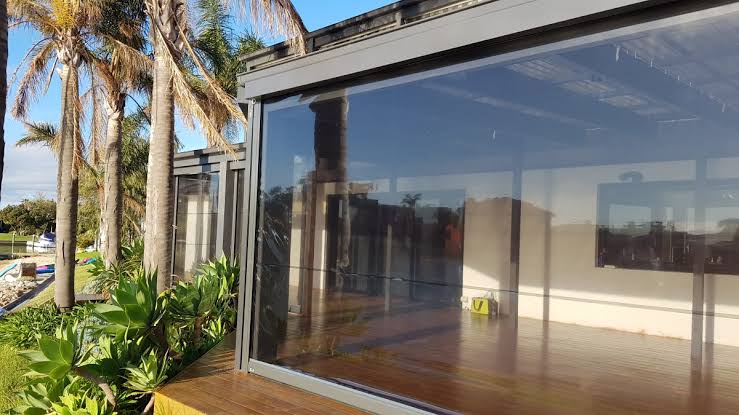
Adding outdoor PVC track blinds—frequently referred to across New Zealand as track-guided patio blinds, clear PVC screens, or zip-track outdoor blinds—is one of the most effective ways to enclose decks, verandahs, and louvre pergolas. Designed with clear or tinted heavy-gauge marine PVC locked into side aluminium tracks, these systems act as a windbreak and rain barrier, effectively turning outdoor living areas into year-round spaces. Unlike traditional rope-and-pulley or strap-down café blinds, track-guided systems keep the PVC taut, preventing flapping and blowout during severe Kiwi weather events.
Evaluating the Outdoor PVC track blinds installation cost New Zealand market requires looking beyond basic off-the-shelf curtain pricing. A complete installation incorporates custom site measuring, high-grade marine aluminium side channels, structural mounting extrusions, heavy-duty clear PVC sheeting, pelmet housing, and professional trade labor. This educational guide provides a neutral breakdown of per-unit pricing models, material grades, practical installation scenarios, budgeting considerations, and long-term asset care tailored to New Zealand climate conditions.
Overview of Outdoor PVC Track Blinds Installation Cost New Zealand

Understanding an Outdoor PVC track blinds installation cost New Zealand baseline requires separating off-the-shelf DIY retail curtains from custom, professionally installed track systems. Nationally, custom-made track-guided clear PVC blinds cost between $1,500 and $3,500+ per individual blind supplied and installed (including GST). Enclosing a multi-sided residential deck or patio comprising three or four custom track openings generally ranges from $4,500 to $12,000+ total, depending on dimensions, mounting complexity, and operational drive options.
Typical Turnkey Pricing Ranges in New Zealand (NZD inc. GST)
├── Single Small Opening Blind (up to 2.0m wide): $1,500 - $2,200
├── Single Standard Deck Blind (2.0m - 3.5m wide): $2,000 - $3,200
└── Large Single Span / Motorised Blind (up to 4.5m wide): $3,200 - $4,500+

Patio Enclosure Footprint Cost Examples
├── Two-Sided Balcony Enclosure (2 Blinds): $4,000 - $6,500
├── Three-Sided Deck Enclosure (3-4 Blinds): $6,000 - $10,500
└── Large Motorised Commercial / Residential Enclosure: $10,000 - $16,000+
Cost structures are driven primarily by total square meters of clear PVC required, aluminium powder-coating finishes, custom bracket engineering, and manual versus motorized operation. Clear or tinted PVC is generally priced higher per square meter than outdoor shade mesh because high-clarity marine PVC requires thicker gauge fabrication (typically 0.75mm to 1.0mm thickness) and high-frequency edge-welding to secure the locking spline that runs within the side tracks.
Primary System Types and Mechanism Variations
Selecting outdoor PVC track blinds involves evaluating track design, tension mechanisms, frame materials, and operational drive methods.
| Category / Type | Description | Common Use Case | Estimated Cost Range (NZD Installed inc. GST) |
| Manual Spring-Balanced Track System | Hand-operated system using internal counter-balanced springs; blind slides smoothly along side tracks and locks at any height. | Standard residential decks, verandahs, and covered patios. | $1,500 – $2,800 / blind ($4,000 – $7,500 for two sides) |
| Crank-Operated Gearbox System | Manual system utilizing a removable hand crank wand connected to an overhead gearbox to wind the PVC sheet up or down. | High openings or extra-wide clear PVC blinds requiring extra mechanical leverage. | $1,800 – $3,200 / blind ($4,500 – $8,500 for two sides) |
| Motorised Hardwired / Remote Track System | 240V tubular motor housed inside an overhead roller, operated via multi-channel remote control or wall switch. | High-end residential alfresco rooms, wide single spans (3.5m–4.5m), or multi-blind setups. | $2,800 – $4,500+ / blind ($8,500 – $14,000+ for three sides) |
| Deep-Channel Heavy-Duty Zip Track | Marine-grade T-5 aluminum channels with zip-spline locking systems engineered for high-wind zones up to 100km/h. | Coastal properties, exposed hilltop homes, or wind-swept outdoor dining spaces. | $2,200 – $3,800 / blind ($6,000 – $11,000 for two sides) |
| Retail DIY Channel & Zip Blind (Off-the-Shelf) | Pre-cut PVC curtains sold in fixed dimensions with basic side channels or joining zippers; self-installed. | Low-budget DIY projects over standard structural timber posts. | $300 – $600 / blind (Supply-only; self-installed) |
Choosing Between Options
Deciding among these system types depends on site wind exposure, physical opening heights, budget limits, and user convenience goals. Spring-balanced manual track systems represent the most popular choice for standard Kiwi residential decks because they eliminate pulleys, ropes, and zips while offering simple, one-handed operation. However, if the opening height exceeds 2.7 meters or if multiple wide panels are installed, motorized systems eliminate the physical effort of reaching or cranking individual screens. In exposed coastal locations (such as Wellington, Auckland West Coast, or Canterbury), deep-channel zip-locking tracks are essential to prevent wind from blowing the PVC sheet out of its tracks.
Practical Real-World Installation Scenarios
Scenario 1: Two-Sided Verandah Enclosure in Auckland
A homeowner installs two custom clear PVC track blinds to enclose an L-shaped verandah (one 3.0m wide × 2.4m drop blind, and one 2.4m wide × 2.4m drop blind).
-
Key Steps & Technical Components:
-
Measuring opening squareness and installing powder-coated aluminium side tracks to existing timber posts.
-
Installing a heavy-gauge (0.75mm) Japanese clear PVC sheet with black reinforced border edges.
-
Fitting spring-balanced top rollers and bottom locking pins to keep the blind taut.
-
Installing matching aluminium pelmets across top rollers to protect rolled-up PVC from direct sun.
-
-
Relevance: Represents a standard residential installation. Enclosing two open sides protects outdoor furniture from prevailing rain while retaining views of the garden. Installed cost: $4,800 NZD inc. GST.
Scenario 2: Exposed Hilltop Deck Enclosure in Wellington
A homeowner on an elevated site subject to severe wind gusts encloses three openings around a covered deck (two 3.2m wide blinds, one 2.8m wide blind) using wind-rated zip-track technology.
-
Key Steps & Technical Components:
-
Installing heavy-duty T-5 marine-grade aluminium side channels secured with 316 stainless steel fasteners.
-
Utilizing 1.0mm heavy-gauge clear PVC sheets fitted with high-frequency welded zip edges.
-
Mounting tubular 240V motors with automated wind-reduction torque controls.
-
Having a registered electrician hardwire a multi-channel remote system.
-
-
Relevance: Demonstrates a high-wind coastal installation. Zip-track systems locked into aluminium side channels prevent the PVC from flapping or popping out during wind gusts up to 100 km/h. Installed cost: $10,200 NZD inc. GST.
Scenario 3: Louvre Roof Enclosure in Christchurch
A property owner installs three clear PVC track blinds between the structural powder-coated posts of an existing aluminum louvre roof.
-
Key Steps & Technical Components:
-
Color-matching side channels and top pelmets to the exact RAL powder-coat color of the louvre frame.
-
Mounting channel adapters onto structural aluminum louvre posts without puncturing internal downpipes.
-
Installing 0.75mm tinted clear PVC sheets to reduce glare while blocking southerly winter winds.
-
Integrating manual spring-balanced operation with bottom center-locks.
-
-
Relevance: Highlights an integration with modern outdoor louvre systems. Enclosing the sides converts an open louvre canopy into a completely sealed outdoor room during winter. Installed cost: $7,200 NZD inc. GST.
Comparative Scenario Analysis
Scenario 1 balances budget and functionality using manual spring-balanced track blinds on an existing verandah. Scenario 2 addresses extreme wind uplift using motorized zip-track engineering and heavy-gauge PVC. Scenario 3 emphasizes visual integration, using color-matched aluminum channels to complement an existing louvre roof structure.
Planning, Financial Budgeting, and Resource Allocation
Formulating an Outdoor PVC track blinds installation cost New Zealand budget requires separating custom manufacturing from structural site prep, powder-coating, and electrical trade fees.
| Budget Line Item | Average Cost Range (NZD inc. GST) | Line-Item Explanation & Drivers | Optimization Tips |
| Custom Clear PVC Blind Units | $1,200 – $2,500 / unit | 0.75mm to 1.0mm marine-grade clear PVC, welded borders, and bottom rail. | Choose standard border trim colors (Black or White) to lower custom fabrication costs. |
| Aluminium Side Tracks & Pelmets | $300 – $700 / unit | Extruded powder-coated side channels, mounting angles, and top protective hoods. | Match track colors to existing joinery or timber post stain. |
| Motorisation Add-on (Optional) | $600 – $1,200 / unit | 240V tubular motor, multi-channel remote, and electrical isolation switch. | Reserve motorisation for wide or high openings where manual pulling is difficult. |
| Trade Installation Labor | $250 – $500 / unit | On-site measuring, post alignment, channel fixing, and spring balancing. | Ensure posts are plumb and square before the final measure visit to lower labor hours. |
| Electrician Call-out (If Motorised) | $300 – $600 total | Hardwiring motor control units and outdoor power points. | Have the electrician wire all motorized blind positions in a single visit. |
Note: All monetary figures listed represent standard New Zealand market baseline estimates in NZD. Final project quotes vary based on regional trade rates, opening square meterage, site access, and custom powder-coating requirements.
Technical Strategies, Track Systems, and Motorisation Options
Understanding track mechanics, PVC material gauges, and drive systems ensures smooth operation and extended product life.
Clear PVC Track Blind Structural Components
├── High-Clarity Marine PVC Sheet (0.75mm to 1.0mm thickness)
│   └── High-frequency welded border edge with locked spline or zip teeth
├── Side Channel Extrusions (T-5 Marine-Grade Aluminium)
│   └── Internal floating track or zip channel that holds the spline taut
├── Overhead Roller & Pelmet
│   └── Spring-balanced internal axle or 240V tubular motor encased in a powder-coated hood
└── Bottom Locking Mechanism
    └── Weighted bottom rail with foot-operated locking pins or central latch
-
Marine-Grade Clear PVC Gauges: Quality New Zealand installations use 0.75mm to 1.0mm Japanese or European marine-grade PVC. Thicker PVC (1.0mm) provides higher wind resistance and optical clarity, whereas thinner imported film (0.5mm) can warp, yellow, or show visual distortion over time.
-
Zip-Track vs. Standard Spline Tracks: Standard track systems feature a smooth plastic spline welded to the PVC edge that floats inside an aluminum side channel. Zip-track systems feature zipper teeth welded to the edge that lock continuously into a side track, providing higher wind resistance (up to 100 km/h).
-
Integrated Overhead Pelmets: Aluminium pelmet hoods fully enclose the top roller tube when the blind is rolled up. This shields the clear PVC sheet from direct UV radiation, tree sap, and bird droppings when not in use.
Wind Classifications, Safety Risks, and Common Pitfalls
Installing clear PVC track blinds involves managing wind loads, thermal expansion properties, and substrate attachment methods.
-
Operating Clear PVC Blinds in High Winds While Unlocked: Leaving a track blind partially unrolled or unlocked during severe wind storms allows wind uplift to exert immense leverage against the tracks, potentially bending side channels or tearing the PVC spline.
-
Rolling Up Wet Clear PVC Sheeting: Rolling up wet PVC blinds traps moisture within the roll, creating white water-blistering haziness or mold growth on border fabrics. Prevention: Allow PVC sheeting to dry completely before rolling up into overhead pelmets.
-
Mounting Tracks to Unsound Substrates: Fastening aluminium side channels into soft, rotted timber posts or thin hollow fascia boards causes track looseness and jam issues.
-
Using Harsh Chemical Cleaners on Clear PVC: Cleaning PVC sheets with ammonia-based window cleaners, methylated spirits, or solvent degreasers strips protective UV coatings, causing the PVC to cloud or turn brittle.
-
Ignoring Thermal Shrinkage in Cold Weather: Clear PVC expands in hot weather and contracts in cold weather. Installing PVC sheeting too tightly during summer can make the blind stiff or difficult to lock down during cold winter mornings.
Maintenance, Best Practices, and Long-Term Care
Preserving optical clarity, track smoothness, and smooth spring tension requires simple, routine preventative care.
Preventative Maintenance Checklist
-
Monthly Washing: Hose down clear PVC sheets with cold water and wipe gently using a soft microfiber cloth and a mild PVC-approved cleaner to remove salt spray and dust.
-
Quarterly Track Lubrication: Spray dry silicone lubricant into the aluminum side channels to ensure smooth spline movement; avoid petroleum-based greases that attract dirt.
-
Biannual Spring Tension Check: Inspect manual spring-balanced blinds to ensure lifting tension remains balanced; contact an installer for minor spring adjustments if the blind feels heavy.
-
Annual Hardware & Fastener Audit: Check 316 stainless steel mounting screws, bottom lock pins, and pelmet brackets for tightness.
-
Proper Winter Operation: Unroll clear PVC blinds during sunny winter days to warm the sheeting, keeping the material flexible and free of packing creases.
Regular maintenance preserves visual transparency, prevents track binding, and maintains manufacturer warranty coverage.
Project Documentation, Warranties, and Property Valuation
Organizing project paperwork protects financial investments, verifies warranty coverage, and documents home value during property sales.
Essential Project Records
-
Itemized Manufacturer Invoices: Detailed receipts specifying blind dimensions, PVC gauge, aluminium powder-coat colors, and drive mechanisms.
-
Electrical Safety Certificates (If Motorised): Certified documentation from a registered NZ electrician confirming hardwired motor connections.
-
Manufacturer Warranty Documentation: Paperwork covering aluminium extrusions and powder-coating (typically 5 to 10 years) and clear PVC materials (typically 3 to 5 years).
Real-World Property Impact
Enclosing a outdoor deck or verandah with custom track-guided PVC blinds adds usable floor area without requiring formal municipal building consents under Schedule 1 of the New Zealand Building Act. This cost-effective outdoor transformation enhances daily lifestyle comfort and appeals to property buyers seeking weather-protected outdoor living spaces.
Summary
Calculating an Outdoor PVC track blinds installation cost New Zealand project requires evaluating clear PVC material gauges, aluminium track engineering, mounting dimensions, and drive options. Turnkey installed pricing ranges from $1,500 to $3,500+ per individual blind, with complete multi-sided patio enclosures averaging $4,500 to $12,000+. By selecting high-clarity marine PVC, zip-track wind-locking systems, protective overhead pelmets, and performing routine cleaning with mild detergent, Kiwi homeowners can create a warm, windproof outdoor living area that performs reliably across all seasons.
Frequently Asked Questions
What is the average cost of clear PVC track blinds in New Zealand?
In New Zealand, custom clear PVC track blinds typically cost between $1,500 and $3,500 per blind supplied and installed (including GST). Enclosing a two- to three-sided deck or patio generally costs between $4,500 and $12,000+ depending on dimensions, zip-track options, and motorisation.
Do clear PVC outdoor blinds keep a deck warm in winter?
Yes. Clear PVC acts as a solid windbreak and rain barrier, stopping wind chill and trapping radiant heat from sunny days or outdoor heaters. While PVC does not carry an insulation R-value like double glazing, enclosing an open outdoor space substantially raises ambient temperatures.
How do clear PVC track blinds handle strong winds in NZ?
Track-guided blinds feature side channels that hold the PVC edges securely. Engineered zip-track systems lock the PVC spline continuously along the side channel, providing wind resistance rated up to 100 km/h and preventing the screen from flapping or blowing out.
Do I need building consent for outdoor PVC track blinds in New Zealand?
No. Retractable outdoor blinds and clear PVC screens installed on existing residential structures generally fall under Schedule 1 exemptions of the New Zealand Building Act and do not require formal municipal building consent.