Louvred Roof Pergola Cost per Square Metre Australia Guide
Louvred Roof Pergola Cost per Square Metre Australia: A Comprehensive Planning Guide
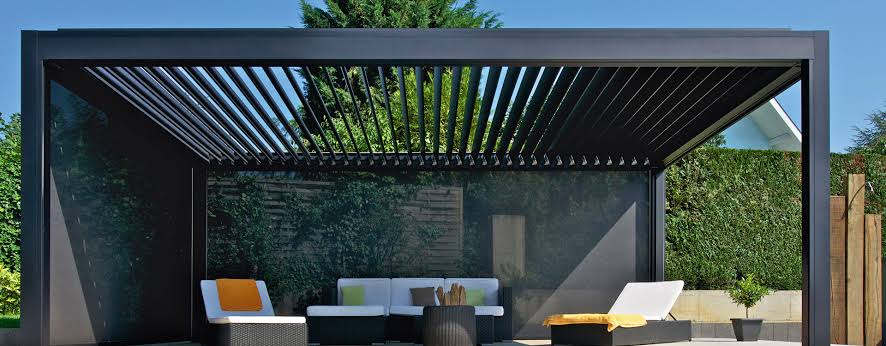
Adding an opening louvred roof pergola—frequently referred to in Australia as an adjustable louvre patio, automated pergola, or opening roof system—is one of the most effective ways to upgrade outdoor alfresco spaces. Unlike traditional fixed Colorbond, polycarbonate, or open-timber pergolas, an adjustable louvred system features rotating extruded aluminium blades. These blades pivot up to 135 to 180 degrees, allowing homeowners to precisely control overhead sunlight, airflow, and complete rain protection at the press of a button or via automated weather sensors.
Evaluating the Louvred roof pergola cost per square metre Australia market requires looking beyond basic DIY retail kits. A complete project incorporates site-specific structural engineering, powder-coated marine-grade aluminium, integrated gutter drainage, electrical wiring, council building approvals, and trade labor. This educational guide provides a neutral, comprehensive breakdown of per-square-metre pricing tiers, structural variations, installation scenarios, budgeting considerations, and long-term asset care across Australian climate zones.
Overview of Louvred Roof Pergola Cost per Square Metre Australia

Calculating a Louvred roof pergola cost per square metre Australia baseline requires distinguishing between flat-pack DIY kits, standard manual units, motorized systems, and double-walled insulated systems. Across Australia, custom, professionally installed louvred roof pergolas typically cost between $950 and $2,000+ per square metre ($/m²) including GST, structural engineering, trade labor, and basic electrical connections. Entry-level manual opening systems start around $950 to $1,100/m², standard single-skin motorised systems average $1,200 to $1,500/m², and premium insulated double-walled or marine-grade automated opening systems range from $1,600 to $2,200+/m².
Typical Supply & Install Rates in Australia (AUD inc. GST)
├── Manual Operable Louvre Systems: $950 - $1,100 / m²
├── Standard Motorised Louvre Systems: $1,200 - $1,500 / m²
└── Premium Insulated / Double-Walled Systems: $1,600 - $2,200+ / m²

Common Project Footprint Cost Examples (Motorised Standard Midpoint)
├── Compact Patio (3m × 3m ≈ 9 m²): $11,000 - $15,000 Total
├── Popular Alfresco (4m × 4m ≈ 16 m²): $19,000 - $25,000 Total
└── Large Entertainment Deck (6m × 4m ≈ 24 m²): $28,000 - $38,000+ Total
The overall cost per square metre is influenced by economy of scale and site-specific structural requirements. Smaller footprints (e.g., under 10 m²) carry higher per-square-metre unit rates due to fixed base costs—such as council permit applications, electrician call-outs, post footings, and delivery fees—spread over a smaller area. Conversely, larger multi-bay installations (24 m² to 40+ m²) reduce the effective rate per square metre, though total capital outlays scale with footprint size.
Key System Categories and Architectural Configurations
Choosing the right louvred pergola requires evaluating blade engineering, operation mechanisms, and material durability against regional weather exposure.
| Category / Type | Description | Common Use Case | Estimated Cost per m² (Installed inc. GST) |
| Manual Hand-Crank Louvre Pergola | Single-skin aluminium blades pivoted manually via an internal gear mechanism and removable hand crank. | Compact courtyards, budget-conscious outdoor dining spaces, or off-grid sites. | $950 – $1,100 / m² ($8,500 – $13,000 total) |
| Flat-Pack Fixed DIY Louvre Kit | Standard pre-cut aluminium kit with fixed dimensions; limited structural customization. | Homeowners with advanced carpentry skills installing over existing level slabs. | $400 – $750 / m² (Supply-only; self-installed) |
| Motorised Single-Skin Louvre System | 24V linear actuator motor driving single-wall extruded aluminium blades via remote control or wall switch. | Standard suburban alfresco areas, decks, and poolside entertaining zones. | $1,200 – $1,500 / m² ($18,000 – $25,000 for 16m²) |
| Insulated / Double-Walled Louvre System | Aerofoil double-wall blades providing thermal insulation, reduced rain noise, and internal condensation control. | Premium outdoor living rooms, cold southern states, or extreme heat zones. | $1,600 – $2,200+ / m² ($25,000 – $38,000+ for 16m²) |
| Retractable / Sliding Louvre System | Blades pivot to control light AND stack back completely to one side to open the overhead sky entirely. | High-end architectural homes seeking completely unobstructed open-sky views. | $2,000 – $2,800+ / m² ($32,000 – $50,000+ total) |
Choosing Between Categories
Deciding among these categories depends on budget, climate severity, and usage goals. Standard single-skin motorised systems represent the most popular choice for general suburban applications, offering reliable rain protection and shade control. However, in southern coastal locations (such as Melbourne or Adelaide) or hot inland regions, double-walled insulated aerofoil blades prevent radiant heat from transferring beneath the canopy in summer and reduce rain noise during winter storms.
Practical Australian Real-World Installation Scenarios
Scenario 1: Suburban Alfresco Extension in Brisbane (16 m²)
A homeowner constructs a 4m × 4m (16 m²) motorised louvred pergola attached to an existing brick home over a paved patio.
-
Key Construction Steps & Components:
-
Wall-mounting an aluminium ledger beam to the house fascia with engineered structural brackets.
-
Pouring concrete post footings beneath two front corner posts.
-
Installing a 24V motorised single-skin louvre system with integrated internal guttering.
-
Wiring a rain sensor that automatically closes the louvres at the first drop of rain.
-
Connecting internal downpipes into the existing stormwater drainage line.
-
-
Relevance & Financial Outcome: Demonstrates a standard attached residential install. Because an existing paved patio is used, concrete slab excavation fees are avoided. Installed cost: $1,250/m² ($20,000 total inc. GST).
Scenario 2: Freestanding Poolside Entertaining Pavilion in Sydney (24 m²)
A 6m × 4m (24 m²) freestanding motorised double-walled louvre pergola built adjacent to a swimming pool in a coastal environment.
-
Key Construction Steps & Components:
-
Excavating four deep concrete footings to satisfy coastal wind-region engineering standards.
-
Erecting a freestanding four-post marine-grade powder-coated aluminium frame (Qualicoat standard).
-
Fitting double-walled insulated aerofoil blades to reduce radiant sun heat and ocean wind noise.
-
Installing integrated warm-white LED strip lighting inside the peripheral gutter frame.
-
Adding dual motor-driven track-guided side blinds for wind and privacy protection.
-
-
Relevance & Financial Outcome: Highlights a luxury freestanding installation facing marine wind and salt spray. Installed cost: $1,750/m² ($42,000 total inc. GST).
Scenario 3: Alpine / Cold-Climate Attached Pergola in Melbourne (20 m²)
A 5m × 4m (20 m²) attached opening roof system designed for extreme winter rainfall and thermal retention.
-
Key Construction Steps & Components:
-
Engineering heavy-duty structural rafters to handle high wind uplift and rain volume.
-
Installing double-walled louvres fitted with synthetic weather-strip seals along all blade junctions.
-
Wiring low-voltage outdoor radiant infrared heaters and dimmable LED downlights.
-
Connecting smart home controls (Somfy or Bond bridge) for app-based automated schedule management.
-
-
Relevance & Financial Outcome: Demonstrates an all-weather outdoor room configuration. The inclusion of heating, smart integration, and premium seals increases total project expenses. Installed cost: $1,850/m² ($37,000 total inc. GST).
Comparative Scenario Analysis
Scenario 1 focuses on cost-effective sun and rain control for standard suburban homes. Scenario 2 addresses wind uplift, salt air corrosion, and privacy around pools through upgraded marine finishes and side blinds. Scenario 3 optimizes winter usability and smart home connectivity, using insulated blades and radiant heaters to create a year-round outdoor room.
Planning, Capital Budgeting, and Resource Allocation
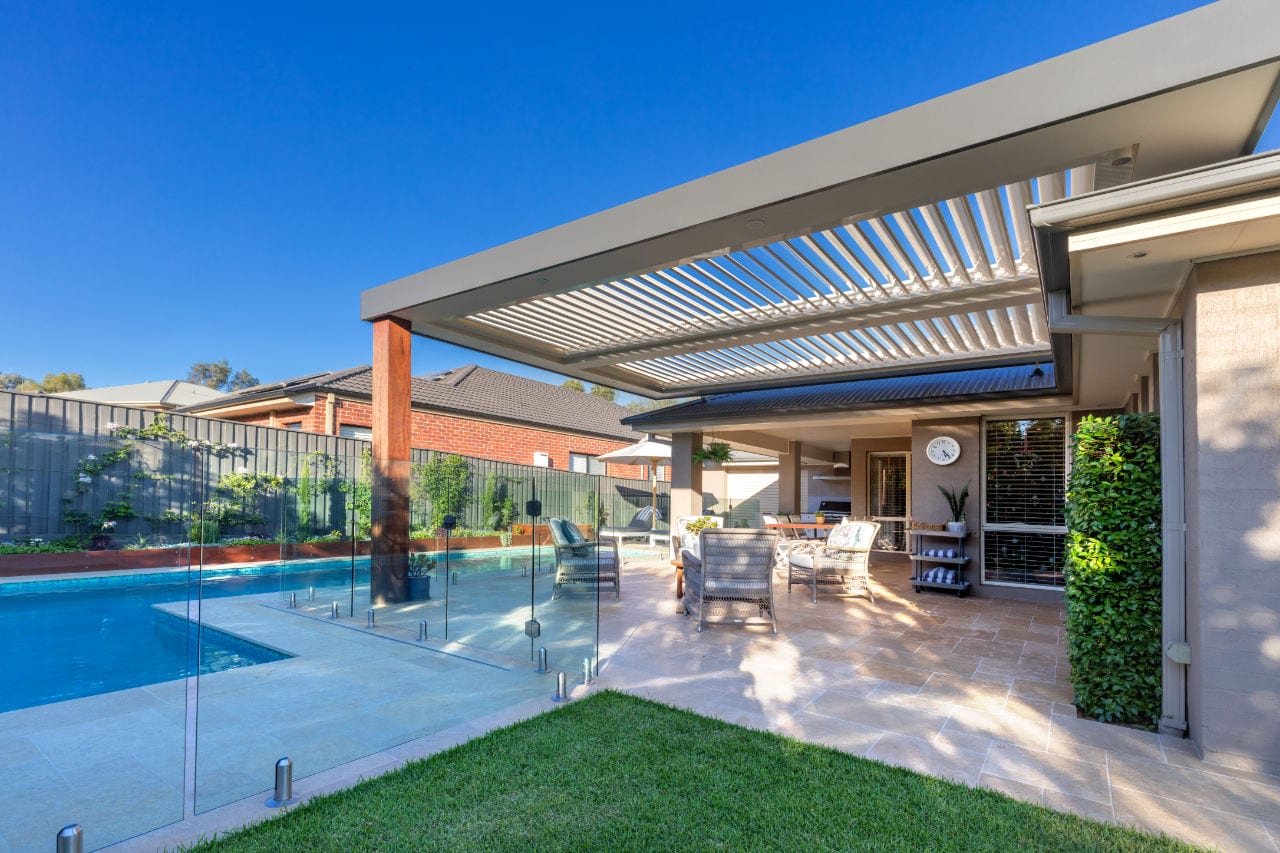
Formulating a Louvred roof pergola cost per square metre Australia budget requires separating structural aluminium manufacturing from site preparation, electrical trade labor, and council compliance fees.
| Budget Component | Estimated Cost Range (AUD inc. GST) | Line-Item Explanation & Drivers | Optimization Tips |
| Louvred Frame & Blades | $600 – $1,200 / m² | Extruded aluminium posts, beams, louvre blades, and internal gutters. | Choose standard Dulux/Interpon powder-coat colors to avoid custom paint surcharges. |
| Motorisation & Automation | $1,200 – $2,500 total | 24V linear actuators, control box, hand remotes, and rain/wind sensors. | Bundle rain sensors with initial installation to avoid retrofit electrician call-outs. |
| Site Prep & Footings | $800 – $2,500 total | Excavating soil, core-drilling existing slabs, or pouring concrete pier footings. | Install over a structurally sound, level concrete slab to avoid footing prep surcharges. |
| Licensed Electrician Labor | $500 – $1,500 total | Hardwiring control units, safety isolation switches, LED lighting, and heaters. | Have the electrician wire all lighting, power points, and heaters in a single visit. |
| Council Permits & Engineering | $600 – $1,800 total | Structural engineering certification (Form 15/12), drafting, and council fees. | Confirm if your builder handles council lodging as part of their turnkey package. |
| Integrated Lighting & Heating | $800 – $3,500 total | Dimmable LED perimeter strips, downlights, and outdoor radiant heaters. | Select built-in gutter channel lighting during manufacturing for clean wiring concealment. |
Note: All monetary figures listed represent Australian market baseline averages in AUD. Final project quotes vary based on state regulations, site access complexity, wind classification zones, and material costs.
Technical Strategies, Motorisation, and Support Options
Engineering an opening louvre system requires selecting appropriate drive mechanics, rain drainage paths, and weather automation accessories.
Roof Drainage & Motor Control Engineering
├── Internal Perimeter Gutter System
│   ├── Blades direct rainwater into deep side channels when closed
│   └── Hidden downpipes inside corner posts discharge water to stormwater pipes
├── Motor Drive Mechanisms
│   ├── 24V Linear Actuators: Push/pull internal drive rod for smooth, quiet rotation
│   └── Tubular Motors: Rotates drive axle within post/beam framework
└── Automated Sensor Interlocks
    ├── Rain Sensor: Triggers 100% closure upon moisture detection
    └── Wind Sensor: Opens blades automatically during extreme wind gusts to prevent wind-uplift damage
-
Extruded Aluminium vs. Roll-Formed Steel: Quality Australian louvre systems utilize 6060-T6 structural-grade extruded aluminium rather than thin roll-formed steel. Aluminium is naturally rust-proof, light weight, and capable of spanning up to 4 to 4.5 metres per blade bay without sagging.
-
Integrated Guttering and Downpipes: Premium systems feature deep perimeter channels concealed within the main ring beams. When closed, overlapping blade edges direct heavy rainwater into these perimeter gutters, which drain internally through downpipes hidden inside structural posts.
-
Smart Home Sensor Integration: Rain sensors detect precipitation and close the louvres automatically. Conversely, wind sensors open the blades during severe storm gusts (exceeding 80 km/h) to prevent negative wind uplift pressure from damaging the structure.
Safety Hazards, Compliance Risks, and Common Pitfalls
Installing an adjustable outdoor structure involves navigating wind loads, waterproofing, electrical compliance, and council regulations.
-
Bypassing Local Council Building Approvals: Building a permanent pergola without council development approval or building permits (BA/DA) can result in fines, council rectification orders, or mandatory removal during future property sales.
-
Inadequate Footing Depth in Reactive Clay Soils: Anchoring structural posts to thin 75mm patio slabs without deep concrete footings can lead to post lifting or settling, jamming the mechanical louvre blades.
-
Improper Wall Ledger Flashing: Fixing an attached pergola ledger beam directly to house brickwork without continuous lead or aluminium apron flashing allows driving rain to leak down exterior walls.
-
Uncertified Electrical Wiring: Attempting DIY wiring of 240V control boxes or outdoor heating violates Australian electrical safety laws (AS/NZS 3000) and voids home insurance coverage.
-
Ignoring Wind Region Classifications: Installing standard-rated louvres in high-wind coastal zones (Regions C or D) without upgraded post brackets and thicker blade profiles risks structural failure during cyclones or severe storms.
Maintenance, Best Practices, and Long-Term Management
Sustaining smooth blade rotation, clear drainage channels, and pristine powder-coated finishes requires simple, routine preventative care.
Ongoing Preventative Maintenance Checklist
-
Quarterly Gutter & Blade Sweeping: Clear fallen leaves, twigs, and debris from internal perimeter gutters and blade end-caps to prevent water blockages.
-
Biannual Powder-Coat Washing: Wash aluminium posts, beams, and blades using warm water, mild detergent, and a soft microfiber cloth to remove salt spray, dirt, and pollution.
-
Annual Pivot & Track Lubrication: Apply a light spray of dry silicone lubricant to blade pivot pins, stainless steel drive rods, and motor linkage points.
-
Rain Sensor Cleaning: Gently wipe the surface of optical rain sensors to remove dust or bird droppings that could trigger false closing cycles.
-
Electrical & Seal Audits: Inspect electrical cable entries and rubber blade weather-strips annually for signs of wear or UV degradation.
Routine maintenance preserves mechanical operation, keeps drainage channels clear, and maintains manufacturer powder-coat warranties (which often require documented regular washing in marine environments).
Project Documentation, Warranties, and Valuation Tracking
Organizing structural and electrical documentation simplifies warranty claims, satisfies council compliance, and documents property value during real estate sales.
Essential Project Record Files
-
Council Permit & Building Approval Certificates: Signed Form 21 / Certificate of Occupancy or council sign-offs confirming structural approval.
-
Structural Engineering Documentation: Form 15 / Form 12 engineering design certificates and wind-rating compliance sheets.
-
Electrical Safety Certificate (CCEW): Official Certificate of Compliance for Electrical Work signed by a licensed Australian electrician.
-
Manufacturer Warranty Statements: Registered warranty paperwork covering aluminium structural frames (10 to 25 years), powder-coating (10 to 15 years), and electronic motors/sensors (5 to 10 years).
Real-World Property Valuation Impact
Australian real estate appraisers consistently highlight that a well-engineered, motorized louvred roof pergola adds measurable outdoor living appeal. By converting an open patio into a versatile year-round alfresco room, homeowners increase functional living area without the high cost of traditional brick-and-mortar house extensions.
Summary
Understanding the Louvred roof pergola cost per square metre Australia market requires evaluating structural materials, motorisation options, footing requirements, and council compliance. Turnkey installed pricing ranges from $950/m² for manual systems to $1,600–$2,200+/m² for premium insulated motorised setups. By selecting marine-grade extruded aluminium, incorporating smart rain automation, obtaining council approvals, and performing routine gutter care, Australian homeowners can create an all-weather outdoor room that enhances daily living and long-term property value.
Frequently Asked Questions
What is the average cost per square metre for a motorised louvred roof in Australia?
In Australia, a motorised opening louvre roof typically costs between $1,200 and $1,500 per square metre ($/m²) fully supplied and installed including GST. Premium double-walled or insulated systems range from $1,600 to $2,200+ per square metre.
Do I need council approval for a louvred roof pergola in Australia?
In most Australian states and territories, permanent pergolas with solid or opening roof systems require council development approval (DA) or a Complying Development Certificate (CDC). Requirements depend on structure height, footprint size, boundary setbacks, and local council planning regulations.
Are louvred roof pergolas completely waterproof when closed?
High-quality, professionally installed louvred systems are engineered to be rainproof when closed. Interlocking blade edges with synthetic weather seals direct rainwater into deep perimeter gutters, which channel water down concealed internal downpipes.